Product & ROOTPre-seedUpdated 2026-06-04
Technical Architecture
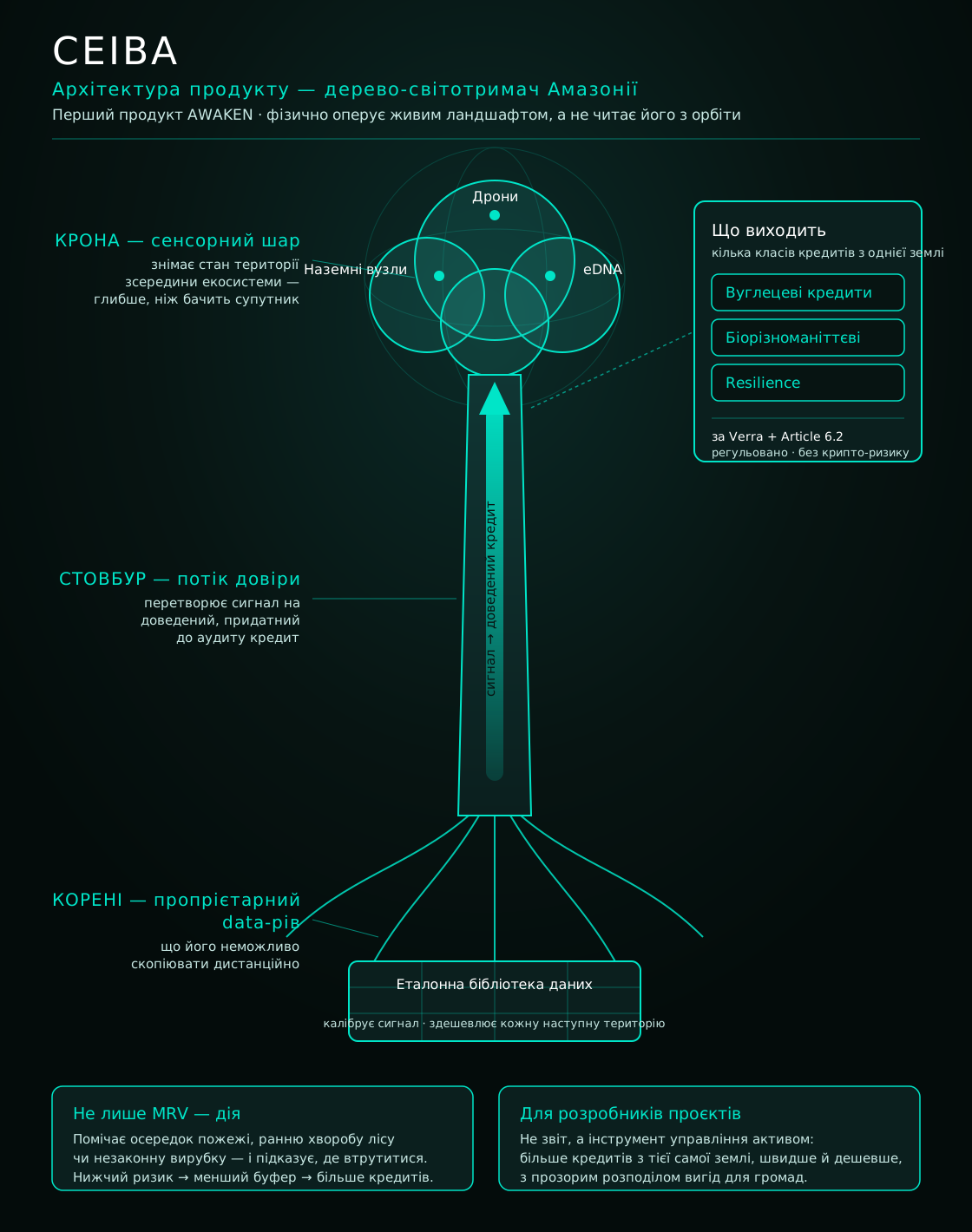
CeibaQ fuses six data layers into ROOT and serves them through a query layer.
The six input layers
- Government data (20-yr historical) — Peru's national systems (forest accounts, MRV, hydrology/climate, ecosystem & protected-area monitoring), in-kind via institutional agreements.
- SMEAR-class flux supertower — direct eddy-covariance CO₂/CH₄/N₂O flux + micro-meteorology (the unique reference asset; installed at seed stage).
- External flux towers — partner stations covering ecosystem types beyond our own (e.g. peatland/aguajal, várzea).
- NEXUS node network — continuous on-edge biodiversity, soil and micro-climate ground truth.
- Satellite / EO — wall-to-wall coverage (incl. NVIDIA Earth-2 — early-stage conversation).
- Reference libraries — tree-crown, eDNA barcode, and acoustic libraries (built once, reused forever).
The fusion logic (point → line → polygon)
Ground + eDNA + node plots (points) calibrate drone LiDAR/hyperspectral (line) strips, which calibrate free satellite (polygon) coverage — the same sparse-reference-plus-fusion approach used by NASA's GEDI. Result: jurisdiction-wide, audit-grade statistics with quantified confidence per ecosystem stratum.
The output
A calibrated digital twin (ROOT) measuring ~1,500–1,600 parameters across all 36 SEEA-EA ecosystem services, exposed through:
- a query API + dashboard for developers, funds, insurers, registries, governments;
- an integrity chain behind every value (source → method → confidence).
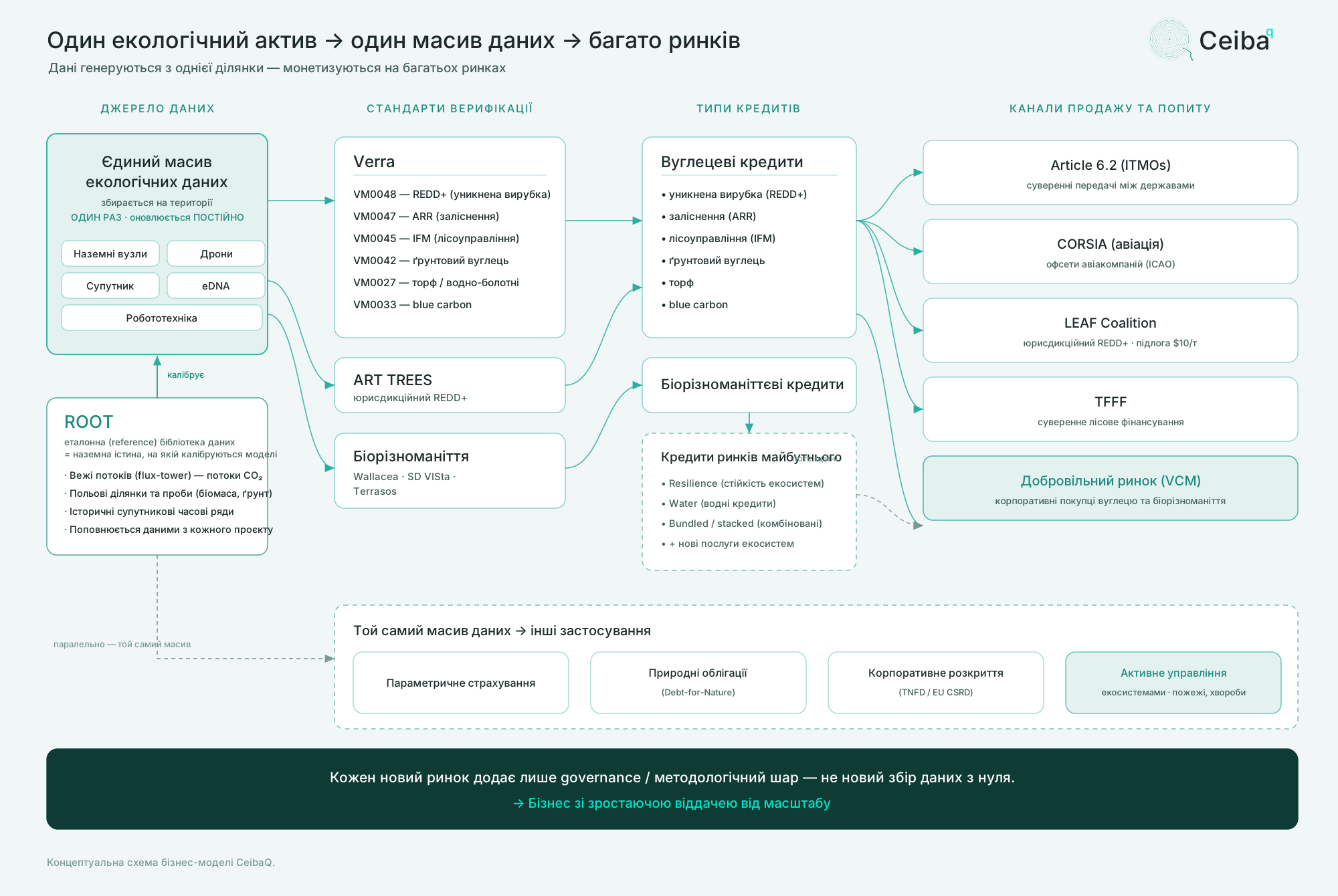
Diagrams: assets/CEIBA_architecture_tree.svg, assets/CeibaQ_business_model_diagram.svg.
CeibaQ Architecture — the reference treeOpen full ↗
Business Model — measure once, sell manyOpen full ↗